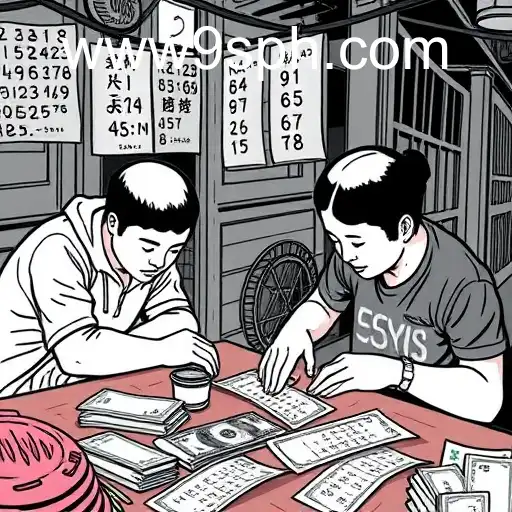
The Complex World of Jueteng: A Closer Look
Jueteng is a numbers game that has remained deeply embedded in the cultural and economic tapestry of the Philippines. Despite its illicit nature, it continues to thrive, driven by a network of players ranging from small-town bettors to powerful insiders. This game is not just a simple gambling mechanism; it is a significant social phenomenon with far-reaching implications.
What is Jueteng?
Originating from Chinese traders, jueteng is akin to a lottery or numbers game where bettors choose a combination of numbers hoping to win monetary rewards. Its simplicity is appealing: Participants select a set of numbers, usually two, and hope their selection matches the day’s draw. Despite its simplicity, jueteng is elaborate and requires an organized structure to operate smoothly.
The Organization Behind Jueteng
Behind the facade of a simple lottery is an intricate system involving various stakeholders. Collectors, known as cobradors, roam neighborhoods to collect bets, while coordinators, or kabo, manage collections and ensure bookmakers or bankeros receive the daily inputs. This network is surprisingly adept, often running parallel to legal infrastructures and at times even involving them.
Economic Impacts and Social Dynamics
Jueteng’s persistence is partially economical, offering a source of livelihood in impoverished communities. For many, it provides a sense of hope and a chance to improve their daily lot, however slim the odds. This potential for sudden riches is a powerful lure. Furthermore, it fosters social interaction as betting activities often become community events.
Political Influence and Corruption
A major factor in jueteng’s persistence is its entanglement with local and national politics. Many elections have been marred by accusations of politicians using jueteng money for funding campaigns or buying votes. This creates a reciprocal relationship where political protection sustains jueteng operations, and jueteng operators support political careers.
Efforts to Eradicate Jueteng
Philippine authorities have long attempted to quash jueteng, viewing it as an impediment to social order and good governance. Despite these efforts, such as aggressive police crackdowns and legislative measures, jueteng operations have adapted and persisted. Their ability to morph and withstand official pressure points to the deeply ingrained nature of the operation.
Legal Alternatives
In response to the jueteng dilemma, the government established legal gambling platforms like the Philippine Charity Sweepstakes Office (PCSO) games as attempts to provide legitimate opportunities. While they have enjoyed some success, jueteng remains a more attractive option for many due to its local embedment and informal appeal.
The Future of Jueteng
Looking forward, the future of jueteng remains uncertain. As the Philippine government bolsters efforts to introduce regulated, transparent gambling structures, jueteng’s informal network might either evolve or diminish. However, any long-term resolution requires addressing the socio-economic conditions spawning it in the first place.
The Role of Technology
As technology advances, the jueteng scheme has potential motivations to adapt integration of digital platforms, either for ease of operations or safeguarding from raids. This could make it harder for authorities to track operations, although it would also leave a digital trail potentially useful for prosecutions. The adaptability of jueteng circuits may suggest this as a plausible next phase.
Conclusion
The juxtaposition of jueteng as both a societal ill and a community sustenance tool illustrates its complexity. Addressing it demands a nuanced approach that does not solely focus on eradication but rather on understanding its roots in socio-economic hardship. While efforts continue, jueteng's robust operation is a testament to its deep-seated presence in Philippine society.